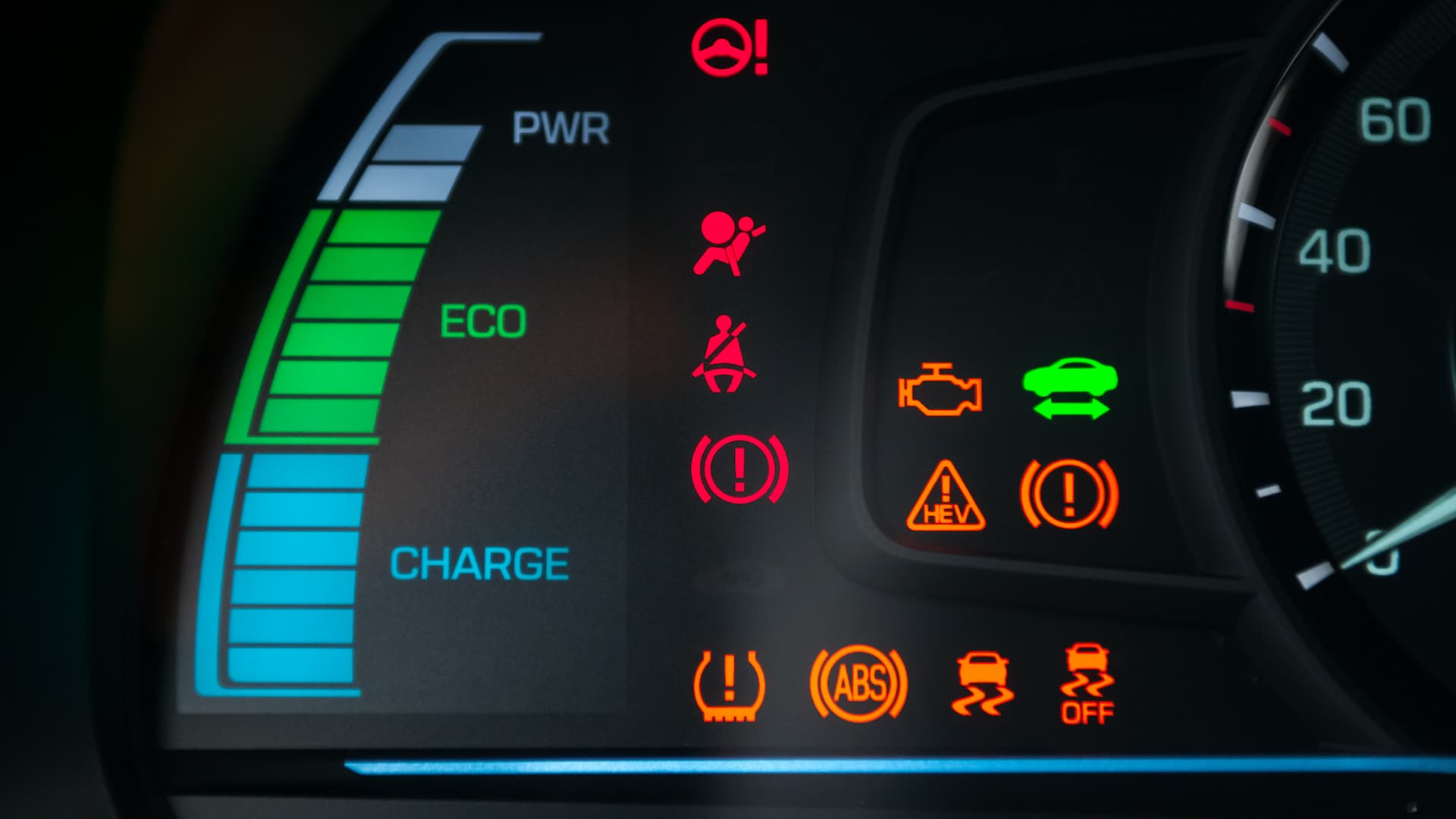
Modern cars constantly monitor themselves. That sounds reassuring — until a warning light suddenly appears on the dashboard while you are driving. At that moment, most drivers ask the same question:
Can I keep driving, or do I need to stop now?
The answer depends entirely on which warning lights are showing. Some mean “book a garage soon”. Others mean “stop immediately”.
We’ve written practical guide so you know exactly what to do and how urgent the problem really is.
Red Warning Lights — Stop As Soon As It Is Safe
Red warning lights indicate a serious fault or safety risk. You should not continue driving unless you have no safe alternative. Even then, only move the vehicle a very short distance.
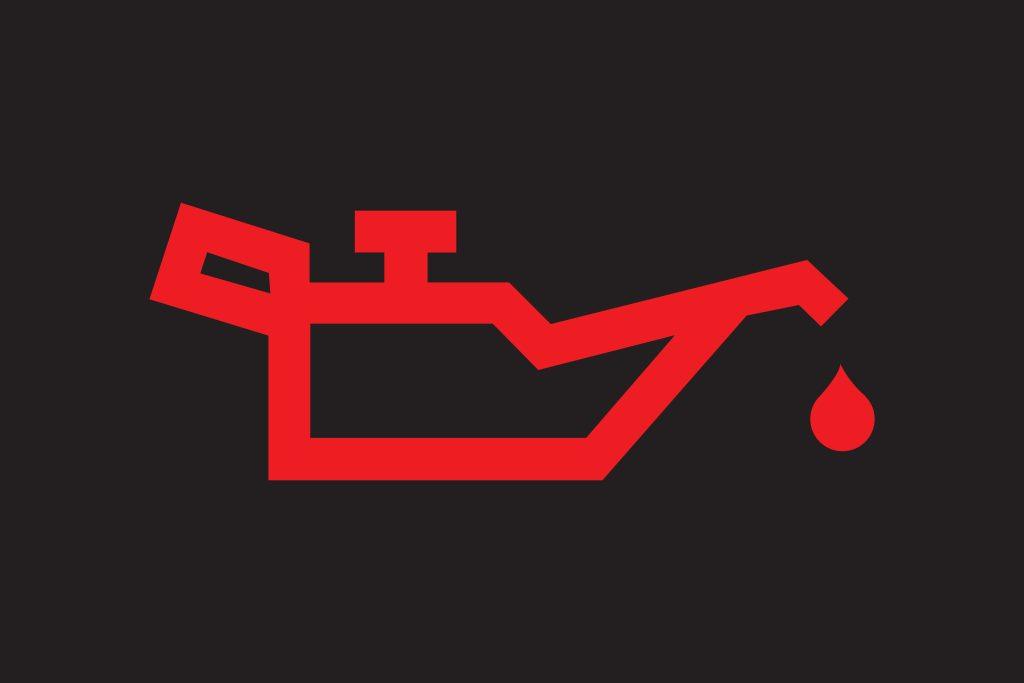
Oil Pressure Warning Light
This is one of the most dangerous dashboard warnings.
If the oil pressure drops, the engine loses lubrication. Metal parts then grind together. Damage happens quickly — sometimes within seconds.
How long can you drive?
You cannot. Pull over immediately and switch off the engine.
Restarting the engine may cause complete failure and a very expensive repair.
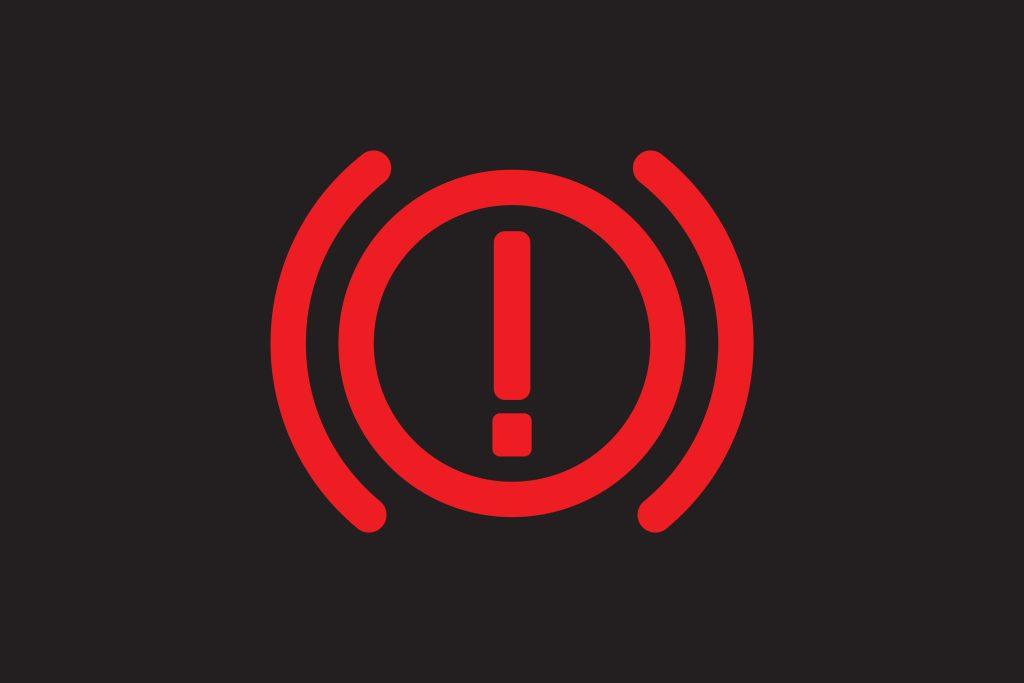
Brake System Warning Light
This may indicate:
Low brake fluid
Brake hydraulic failure
Parking brake fault
The car may still stop, but braking ability could suddenly disappear. Therefore, treat this seriously.
How long can you drive?
Only far enough to stop safely. Do not continue your journey.
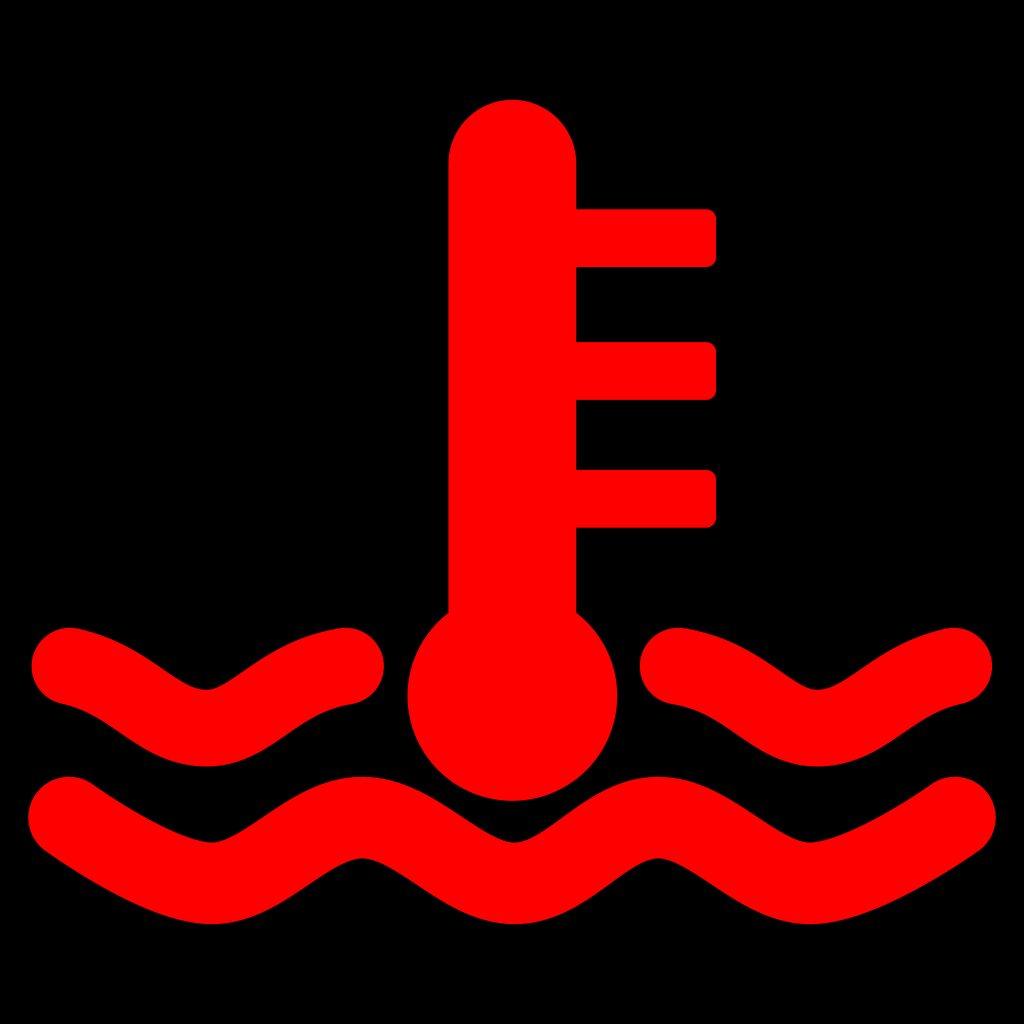
Engine Temperature Warning Light
An overheating engine is on the verge of major damage. The cylinder head can warp and the head gasket can fail very quickly.
Steam, a hot smell, or loss of power often follows.
How long can you drive?
Turn the heater on full and stop as soon as possible. Then switch off the engine and allow it to cool.
Never open the coolant cap while hot.
Airbag Warning Light
The vehicle will still drive normally, however the safety system may not work in a crash.
How long can you drive?
You can drive short distances cautiously, but repair it urgently. The car is no longer fully safe.
Amber Warning Lights — Drive Carefully and Book Soon
Amber warning lights normally mean the car has detected a fault but is still safe to operate for a limited time. However, ignoring them often leads to bigger and more expensive problems.
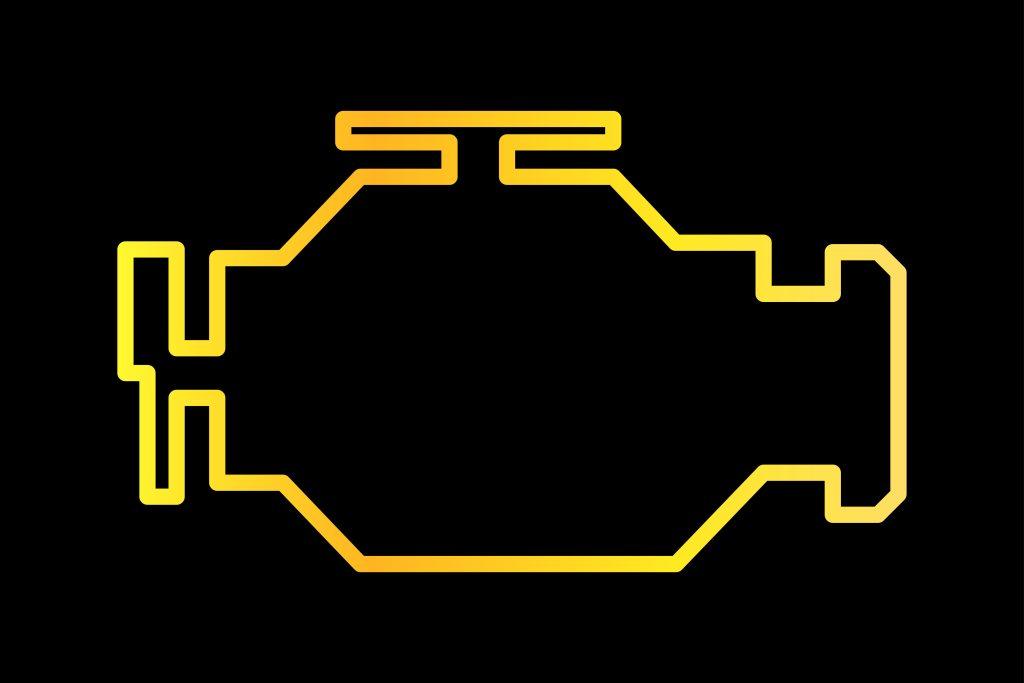
Engine Management Warning Light
This is the most common dashboard warning.
It covers hundreds of possible faults including:
- Sensors
- Emissions
- Fuel system issues
- Ignition faults
How long can you drive?
Solid light: Usually safe for short-term driving, but book diagnostics soon
Flashing light: Stop driving immediately — engine damage likely
A flashing light often indicates a misfire that can destroy the catalytic converter within minutes.
DPF Warning Light (Diesel Vehicles)
The diesel particulate filter is becoming blocked.
At first, the car may drive normally. However, ignoring it leads to limp mode and eventually a costly replacement.
How long can you drive?
Drive for 15–20 minutes at steady motorway speed to attempt regeneration. If the light remains on, book a repair soon.
Do not leave it for weeks. That turns a simple fix into a major bill.
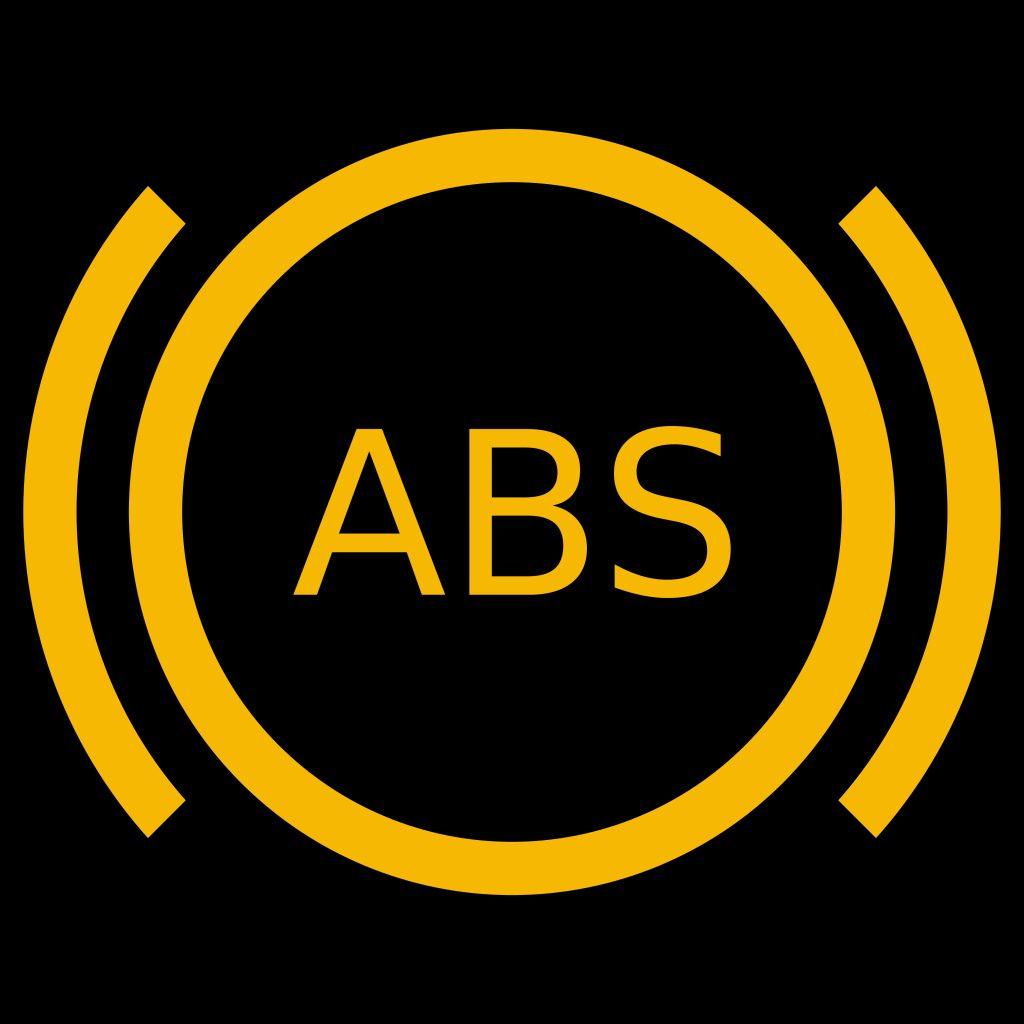
ABS Warning Light
The normal brakes still work. However, anti-lock braking assistance is disabled.
This increases stopping distance in wet or icy conditions.
How long can you drive?
Safe to drive cautiously, but repair promptly, especially before winter driving.
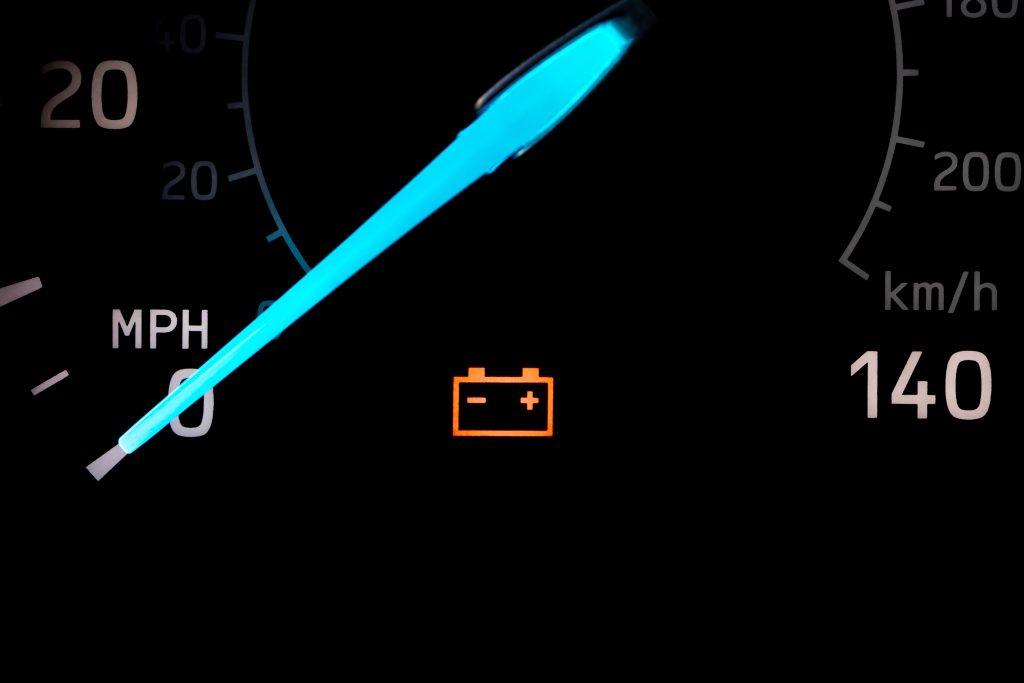
Battery/Charging Warning Light
The alternator is not charging the battery. The car runs only on stored electrical power.
Eventually, it will stall.
How long can you drive?
Typically 10–30 minutes, depending on electrical load. Switch off heaters, radio and lights where safe and go directly to a garage.
Green and Blue Lights — Information Only
Not all dashboard lights mean trouble. Some warning lights simply show systems are operating.
Examples include:
- Indicators
- Headlights
- Cruise control
- Fog lights
These require no action. They are reminders, not faults.
Why You Should Never Ignore Warning Lights
Drivers often continue using a car because it “still feels fine”. Unfortunately, modern faults rarely fix themselves.
Instead:
- A small sensor fault can cause poor fuelling
- Poor fuelling damages the catalytic converter
- The repair cost multiplies
Early diagnostics are always cheaper than late repairs.
In fact, many major engine failures begin with a small amber warning light that was ignored for weeks.
When in Doubt, Get It Checked
A dashboard light is not guessing — it is reporting measured data from the vehicle’s control systems. Therefore, even if the car drives normally, the issue already exists.
The sooner it is diagnosed, the easier the repair usually is.
Worried About A Warning Light?
If a warning light has appeared, or your car needs urgent attention, it is best not to take risks.
Choose Fairway Motor Engineers in Salisbury for professional diagnostics and fast, reliable repairs. Our technicians can identify the real fault quickly and prevent small problems from turning into major damage — giving you confidence every time you drive. Contact us today to book a vehicle check.